Friday 2 October 2026


Al-Taqiyya: Historical Practice and Contemporary Relevance in India’s Religious Landscape
Share

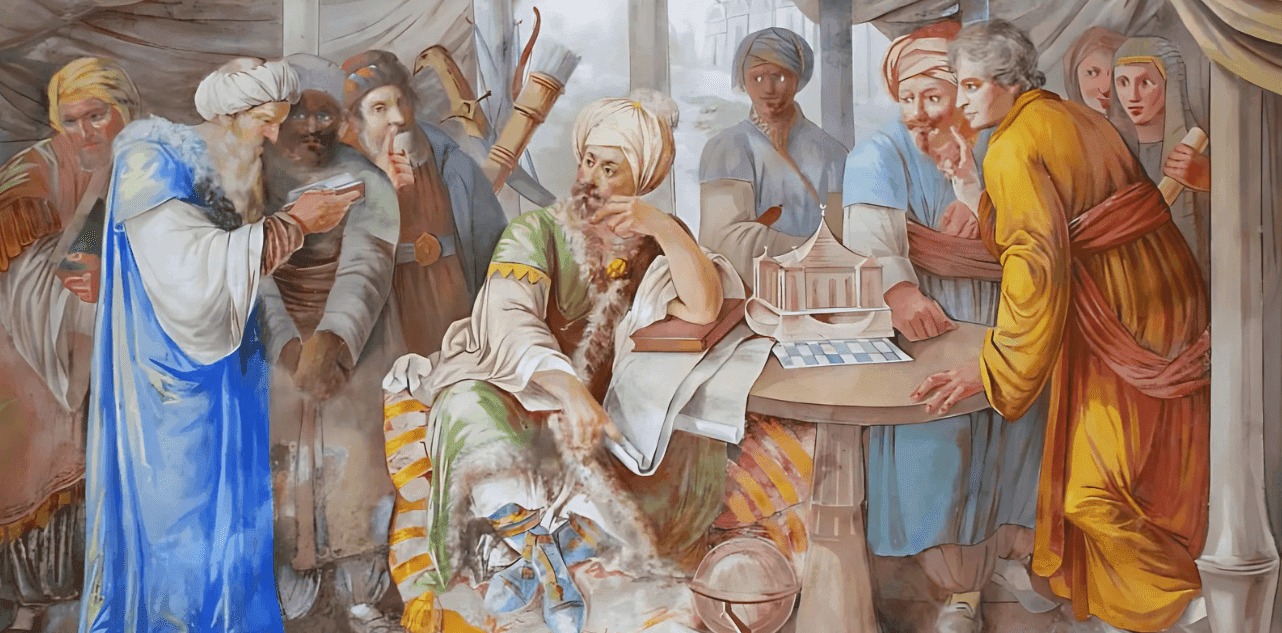
Al-Taqiyya (also spelled taqiyya) is an Islamic tradition that permits believers to conceal or hide their faith when they are in danger of death. It's not lying or pretending, but a practice of protection. The principle is that when someone's life or society is threatened, they can defend themselves by not revealing their genuine beliefs, but only if their heart is sincere in their faith. This has been a safeguard for many across history, particularly during times of persecution.
Unlike what some might think, taqiyya is not a tool for deceit in everyday situations. Instead, it is a serious practice that comes into play only when survival is at stake. And it’s not about hiding one’s faith for personal gain — it’s about protecting life in situations where faith expressions could result in violence, harm, or even death.
Islamic practice of Al-Taqiyya developed during the persecution of Shiʿa Muslims by Sunni authorities at the beginning of Islam's history. Using the practice of taqiyya allowed believers to survive while remaining loyal to their religious beliefs in a dangerous period. Through this practice, these targeted groups achieved a way to blend into society and preserve their safety while avoiding the announcement of opinions that would mark them for persecution.
History reveals that minority Muslim groups employed taqiyya practices primarily during dangerous times of religious conflicts in India. In areas controlled by Sunni Muslim rulers, the Shiʿa Muslims needed to show discretion regarding their public religious practices. The Muslim groups held onto their beliefs while practicing their religion discreetly either alone or through unobtrusive methods.
Taqiyya persisted in the background of the Mughal Empire despite religious tolerance policies from Akbar although it became less necessary thanks to Akbar's leadership yet remained important to smaller vulnerable communities. The quiet approach to religious expression transformed into an essential habit for specific Muslim groups who needed to survive uncertain social conditions.
Throughout history, wars and conflicts have been some of the most dangerous times for religious minorities. In such circumstances, taqiyya was even more significant. The practice wasn't done to escape minor punishments but to protect oneself and one's society in life-threatening situations.
As an example, when there was sectarian war or fighting, individuals would practice taqiyya in order to live. In such a situation, survival was paramount — living to fight another day, as opposed to holding fast to a public affirmation of belief that might result in death. It's important to realize that taqiyya is not about forsaking faith, but about maintaining it in a manner that permits survival in the long term.
Modern India maintains secular principles and religious freedom which makes the taqiyya concept appear incompatible with current standards. Certain situations characterized by heightened communal tension make taqiyya practice relevant although it exists as a practice with history.
Although the Indian Constitution ensures religious freedom, there can be situations where religious minorities, even Muslims, may feel compelled to adjust their public articulation of faith. For instance, during spells of social unrest or in the wake of political events that polarize religion, Muslims may prefer not to publicly debate sensitive aspects of their belief system. This is not to say they are concealing their faith; they are simply making deliberate choices as to how to participate in a public space where tensions can quickly build.
For example, Muslims might hide their presence from view during unrestful periods not out of fear of persecution, but so they do not unnecessarily cause further dissension and trauma to their society. They would practice their beliefs quietly, laying emphasis on spirituality rather than raising awareness about what they believe in.
The major misunderstanding about taqiyya centers on Muslim believers having permission to mislead people through deception for personal gain. The reality shows that taqiyya maintains strict limitations based on ethical principles. Muslims can use taqiyya only in dangerous situations when personal safety becomes a matter of life-or-death yet they need to preserve both honesty and integrity throughout their practice.
Taqiyya undergoes misinterpretation by current populational doctrines especially within political discussion in order to present whole ethnic groups as dishonest people. This is far from the truth. Living through dangerous situations remains the central purpose of taqiyya practice. Through taqiyya, people can defend their own lives without compromising their religious principles.
The significance of Taqiyya extends beyond its being a religious concept. India's diverse society, where various communities have to live together, instills in us the virtues of restraint, intelligence, and empathy. At times, real strength does not lie in vociferously asserting one's faith but in understanding when to speak and when to hold back for the welfare of all.
When interpreted in its proper sense, Al-Taqiyya is an assurance that upholding one's identity and belief can be exercised with dignity, even if the world surrounding you is full of threats. In a country as multicultural and convoluted as India, such teachings of wisdom, self-sustenance, and consideration towards others remain no less essential now than they were centuries ago.
Newsletter
Stay up to date with all the latest News that affects you in politics, finance and more.